
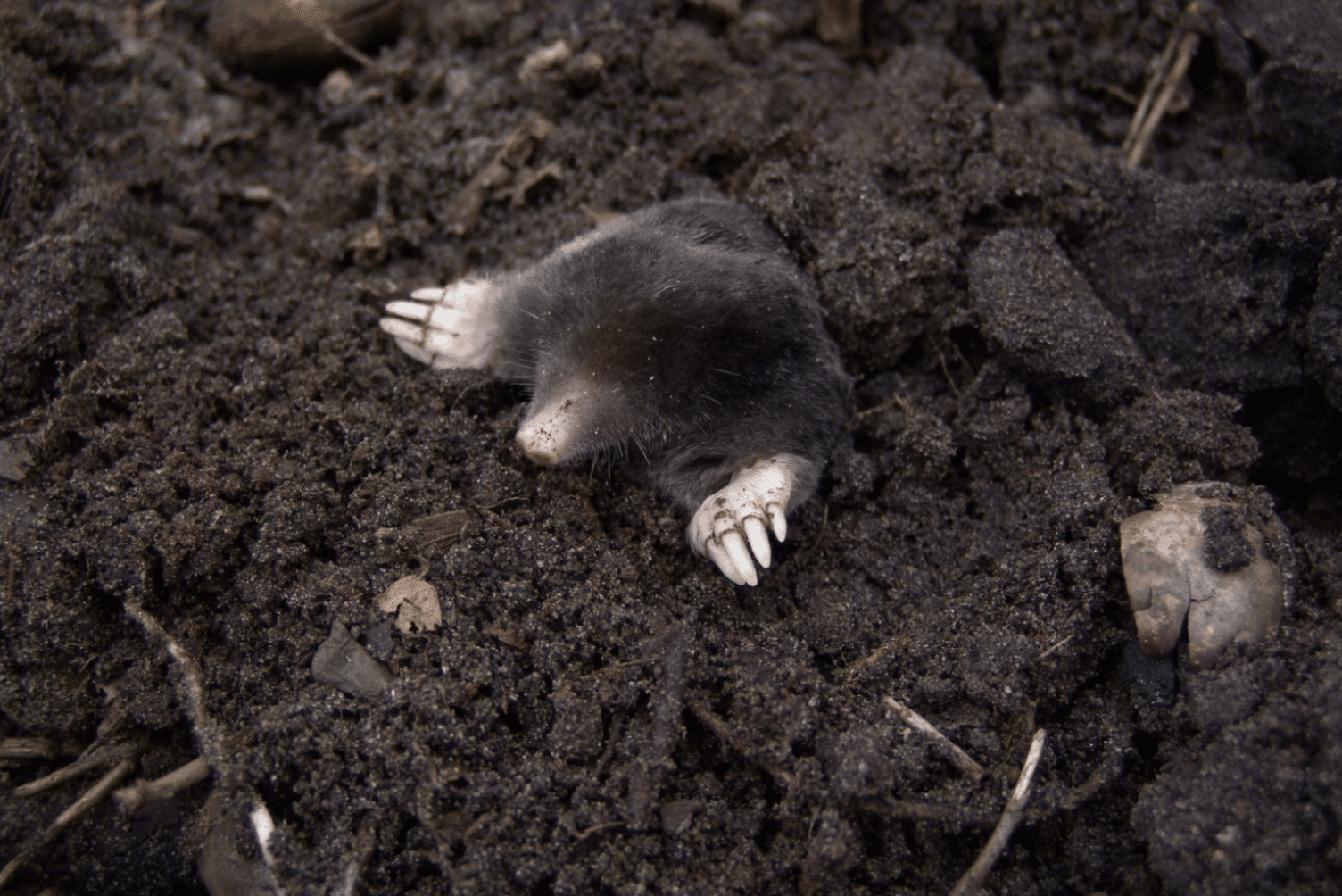
If your once-green lawn is suddenly crisscrossed with raised ridges or dotted with gnawed-down patches of grass, you’re probably dealing with one of two common culprits — and figuring out moles vs voles damage is the first step to fixing it. These two small mammals are often confused for one another, but they cause different kinds of damage and require different solutions. Getting the diagnosis right matters, because treating a vole problem like a mole problem (or vice versa) usually means wasted time and a lawn that keeps getting worse.
This guide breaks down exactly how to tell moles and voles apart, what their damage looks like, and the most effective steps homeowners can take to stop it.
Moles vs Voles Damage: What’s the Difference?
Moles and voles are frequently lumped together because they both cause lawn damage and both live largely out of sight, but they’re biologically very different animals with very different feeding habits.
Moles are insectivores. They spend almost their entire lives underground, tunneling in search of grubs, earthworms, and other soil-dwelling insects. Mole damage to lawn areas typically shows up as raised, winding ridges just under the surface (surface tunnels) and volcano-shaped mounds of soil (deeper tunnel systems). Moles don’t eat grass or plant roots — the damage they cause is purely mechanical, from their tunneling activity disturbing root systems and creating an uneven, spongy lawn surface.
Voles, on the other hand, are rodents, and they absolutely do eat vegetation. Voles feed on grass, roots, bulbs, and the bark of young trees and shrubs. Their damage shows up as visible surface trails or “runways” through the grass, about one to two inches wide, often connecting small burrow entrances. Unlike moles, voles will actively kill grass and garden plants through direct feeding, and their populations can grow quickly, leading to more extensive damage in a short period.
Here’s a quick comparison to help distinguish the two:
| Feature | Moles | Voles |
|---|---|---|
| Diet | Insects, grubs, earthworms | Grass, roots, bulbs, bark |
| Damage type | Raised tunnels, mounds | Visible surface runways |
| Underground presence | Almost entirely underground | Uses both surface runways and shallow burrows |
| Effect on grass | Indirect (root disturbance) | Direct (feeding kills grass and plants) |
| Population growth | Slower, more solitary | Fast, can multiply quickly |
Because the University of Maryland Extension’s resource on voles is a great deep-dive on vole biology and behavior for homeowners who want more detail on identifying and managing this specific pest.
How to Identify Mole Damage to Your Lawn
Mole damage has a few telltale signs that are relatively easy to spot once you know what to look for:
- Raised, winding ridges across the lawn that feel spongy or give way underfoot
- Volcano-shaped mounds of loose soil, usually a foot or less in diameter
- Grass that appears to be dying in strips or patches, following the path of surface tunnels
- Increased mole activity after rain, when grubs and worms move closer to the surface
- Damage that tends to be worse in well-watered, insect-rich lawns
How to Identify Vole Damage to Your Lawn
Vole damage looks and behaves differently:
- Narrow, visible pathways through grass, often more noticeable after snow melts in early spring
- Small, round burrow entrances (about 1 to 2 inches wide) connected to the surface runways
- Gnaw marks on the bark of young trees, shrubs, and the base of woody plants, especially near the ground
- Patches of grass that are cut very short, almost like it’s been mowed, along runway paths
- Damage that tends to worsen in areas with heavy mulch, ground cover, or unmown grass that provides protective cover
Step-by-Step Solutions for Mole and Vole Damage
Once you’ve identified which pest you’re dealing with, here’s how to address it:
- Reduce the food source. For moles, this means addressing the underlying grub population, since moles are drawn to lawns with abundant soil insects. For voles, removing excess mulch, tall grass, and ground cover near the lawn reduces the shelter that lets vole populations thrive.
- Eliminate hiding spots and habitat. Keep grass mowed, clear away brush piles, and pull back mulch from the base of trees and shrubs to make the area less appealing to voles in particular.
- Use physical barriers where needed. Wire mesh guards around the base of young trees and shrubs can prevent vole feeding damage during winter months when other food sources are scarce.
- Consider targeted trapping. For both moles and voles, properly placed traps are one of the most effective control methods, particularly when active tunnels or runways are clearly identified.
- Address the problem early and consistently. Vole populations especially can grow quickly, so waiting to address early signs of activity often means dealing with more extensive damage later.
- Bring in a professional for persistent or widespread damage. When lawn damage covers a large area, keeps returning after DIY efforts, or you’re unsure whether you’re dealing with moles, voles, or another burrowing animal, a professional inspection saves time and gets to the actual root cause.
Because moles and voles require different control strategies, an accurate inspection makes all the difference. Our Wildlife Infantry team handles exactly this kind of lawn and yard wildlife issue, identifying which animal is responsible and building a targeted plan rather than a generic one.
Key Takeaways
- Moles cause damage through tunneling as they hunt for grubs and insects; voles cause damage by directly feeding on grass, roots, and plant bark.
- Raised ridges and volcano-shaped mounds point to moles, while visible surface runways and gnawed plant bases point to voles.
- Reducing food sources and habitat is the foundation of control for both pests, but the specific approach differs between the two.
- Vole populations can grow quickly, so early action helps prevent widespread lawn and landscape damage.
- Professional inspection is the fastest way to correctly identify the pest and stop recurring damage.
Frequently Asked Questions
How do I know if it’s moles or voles damaging my lawn? Look at the type of damage. Raised ridges and mound-shaped soil piles typically indicate moles, which tunnel in search of insects. Visible, narrow pathways through the grass and gnaw marks on plant bark point to voles, which feed directly on vegetation.
Will grub control get rid of my mole problem? It can help significantly, since moles are drawn to lawns with abundant grub populations. However, moles will also eat earthworms and other soil insects, so grub control alone doesn’t always fully resolve an active mole problem, particularly if tunnels are already extensive.
Can voles damage my trees and shrubs, not just my lawn? Yes. Voles frequently gnaw on the bark at the base of young trees and shrubs, especially during winter months, which can girdle and kill the plant if left unaddressed. Wire guards around vulnerable plants are an effective preventive measure.
Is mole and vole damage more common at certain times of year? Vole damage is often most visible in early spring as snow melts and reveals runways that were hidden underneath. Mole activity tends to increase after rain, when insects move closer to the soil surface, making spring and fall particularly active seasons for both pests.
When should I call a professional instead of handling it myself? If damage covers a large area of your lawn, keeps recurring despite your efforts, or you’re not confident distinguishing between moles, voles, and other burrowing animals, a professional inspection is worth the investment. It ensures the right pest is identified and the right control method is used from the start.
If moles or voles have taken over your lawn, don’t wait for the damage to spread. Contact Wildlife Infantry for a free inspection and a targeted plan to get your yard back — effective, humane, and built to last.