
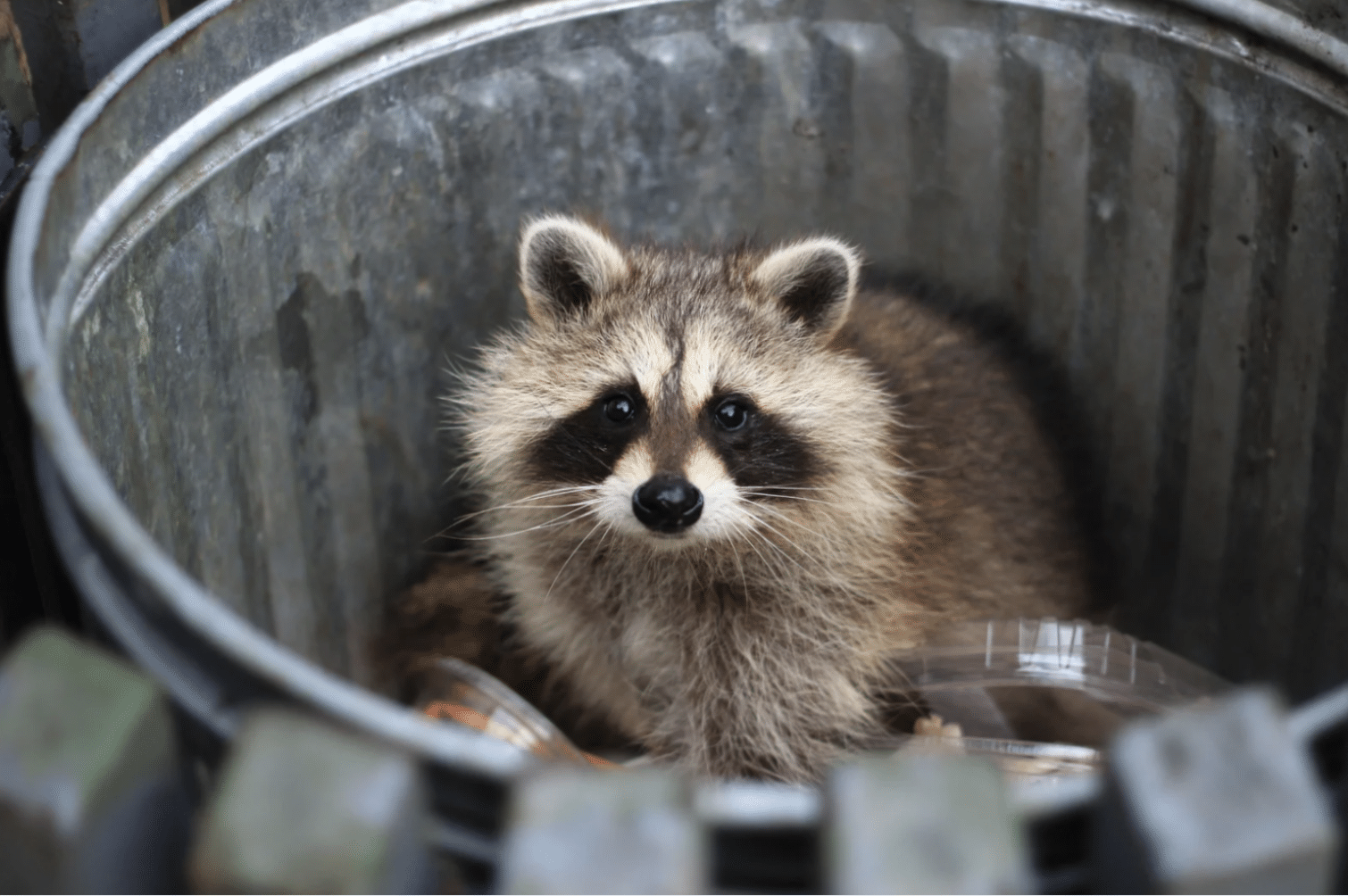
Searching for raccoon removal Philadelphia homeowners can trust usually starts the same way: strange noises overhead, damaged roofline, or the unmistakable sound of raccoons in attic spaces moving around at night. Philadelphia’s mix of older rowhomes, detached houses with mature trees nearby, and aging rooflines makes the city a particularly common place for raccoons to find their way into attics and roof spaces. Once inside, a raccoon can cause significant damage in a surprisingly short amount of time, which makes prompt, professional removal important.
This guide covers exactly how raccoons get into attics, the damage they leave behind, and what a proper inspection and removal process looks like for Philadelphia homeowners.
Why Philadelphia Homes Are Vulnerable to Raccoon Entry
Raccoons are highly adaptable, intelligent animals, and Philadelphia’s urban and suburban housing stock gives them plenty of opportunity. Mature trees near rooflines provide easy access points, while older homes often have roof and soffit areas that have weakened over time, making it easier for a determined raccoon to pry open a gap. Raccoons are also strong enough to tear through vent covers, damaged fascia boards, and weakened roof flashing, and a female raccoon looking for a safe place to raise young will persistently work at a vulnerable spot until it gives way.
Attics are especially appealing to raccoons because they’re warm, dry, sheltered from predators, and quiet during the day, when raccoons typically sleep. Once a raccoon establishes an attic as a den site, it will often return to the same spot repeatedly, particularly if young are present.
Common Raccoon Entry Points
Understanding how raccoons get in is the first step toward stopping it. The most common entry points on Philadelphia homes include:
- Roof edges and soffits — weakened or gapped areas where the roofline meets the exterior wall
- Chimneys — an open or poorly capped chimney is one of the most common raccoon entry points into an attic
- Vents and exhaust openings — bathroom, dryer, and roof vents with damaged or missing covers
- Gaps around rooflines and fascia boards — particularly on older homes where wood has softened or warped over time
- Damaged or loose siding — gaps that provide access to wall voids leading up to the attic
- Tree limbs overhanging the roof — providing a direct path from tree to roof for raccoons that are excellent climbers
Signs of Raccoons in Your Attic
Beyond hearing raccoons in attic spaces at night, homeowners typically notice several other signs:
- Heavy footsteps or thumping sounds, especially in the early evening and pre-dawn hours when raccoons are most active
- Visible damage to roof vents, soffits, or fascia boards
- Matted insulation or displaced insulation gathered into a den-like pile
- A strong odor, often from accumulated droppings in one concentrated area (a raccoon latrine)
- Water stains on ceilings, which can result from damaged vents or displaced insulation affecting proper attic ventilation
- Visible raccoon tracks in dust, dirt, or snow near roof access points
The Damage Raccoons Cause in Attics
Raccoons cause both immediate and long-term damage once they’ve established a den. Their weight and movement can compress and displace insulation, reducing its effectiveness and increasing energy costs. They frequently tear at ductwork, wiring, and structural wood, and their droppings — concentrated in specific latrine areas — pose a genuine health risk, since raccoon feces can carry parasites and pathogens that are hazardous to humans and pets. Left unaddressed, the entry point itself typically continues to widen, inviting not just the current raccoon but future wildlife as well.
Step-by-Step: Professional Raccoon Removal and Exclusion
A proper raccoon removal process in Philadelphia should follow a consistent, thorough approach:
- Full inspection. A technician inspects the attic, roofline, and exterior to locate the entry point, assess the extent of the damage, and determine whether young raccoons are present.
- Confirm presence of young. This step is critical — removing an adult raccoon before locating dependent kits can result in orphaned animals trapped inside the attic, which creates both an ethical and practical problem.
- Humane removal. Using live traps or one-way exclusion devices, the raccoon (and any young, once mobile) are safely removed from the attic space.
- Entry point repair and exclusion. All identified entry points are sealed with professional-grade materials designed to withstand a raccoon’s strength, preventing re-entry at that location or nearby weak points.
- Attic cleanup and sanitation. Contaminated insulation is removed, droppings are cleaned up, and affected areas are sanitized to address odor and health risks.
- Follow-up inspection. A trustworthy company checks that exclusion repairs are holding and that no new access points have developed nearby.
For additional guidance on humane approaches to raccoon conflicts, Humane World for Animal’s resource on what to do about raccoons offers helpful context on coexistence and responsible removal practices.
Why Professional Removal Matters
Raccoons can be aggressive when cornered or when protecting young, and they’re a known carrier of rabies and raccoon roundworm, both of which pose real risk to anyone attempting removal without proper training and equipment. Beyond the safety concerns, DIY removal attempts frequently miss secondary entry points or fail to account for young raccoons, leading to repeat problems. A professional approach — full inspection, humane removal, and proper exclusion — is what actually resolves the issue rather than providing a temporary fix.
Our Wildlife Infantry team specializes in exactly this kind of raccoon removal and exclusion work throughout Philadelphia and the surrounding region, bringing the same thorough, humane approach to every job regardless of how the raccoon got in.
Key Takeaways
- Philadelphia’s older homes, mature trees, and aging rooflines make raccoon entry into attics a common problem.
- Common entry points include soffits, chimneys, vents, damaged fascia boards, and tree limbs overhanging the roof.
- Raccoons cause both structural damage and health risks through droppings that can carry parasites and pathogens.
- Proper removal requires confirming whether young are present before removing an adult raccoon.
- Professional exclusion — not just removal — is what actually prevents the problem from recurring.
Frequently Asked Questions
How do I know if I have raccoons in my attic versus another animal? Raccoons tend to be heavier and noisier than squirrels, with distinct thumping or rolling sounds, especially in the evening and early morning. A concentrated, strong-smelling latrine area is also a strong indicator of raccoons specifically, since they consistently use the same spot for droppings.
Is it safe to remove a raccoon from my attic myself? It’s not recommended. Raccoons can act defensively, particularly if young are nearby, and they can carry rabies and raccoon roundworm, both of which pose real health risks. Professional removal ensures the animal is handled safely and that any young are properly accounted for.
How much damage can a raccoon cause in a short amount of time? Raccoons can cause significant damage quickly — compressing insulation, tearing at ductwork and wiring, and widening entry points within days of moving in. The longer a raccoon remains in an attic, the more extensive and costly the repairs typically become.
Will sealing the entry point be enough to keep raccoons out permanently? Sealing the original entry point is essential, but a thorough inspection should also check for secondary weak points nearby, since a persistent raccoon — or a different animal entirely — may attempt to create a new opening close to the original one if the surrounding area isn’t reinforced.
How quickly can Wildlife Infantry respond to a raccoon removal call in Philadelphia? Response times depend on current demand and the specifics of the situation, but active raccoon denning, especially with young present, is treated as a priority. Contact us directly for current availability in your area.
If you’re hearing movement overhead or noticing damage to your roofline, don’t wait for a raccoon problem in your attic to get worse. Contact Wildlife Infantry today for a free inspection and a humane, lasting solution for raccoon removal in Philadelphia.