
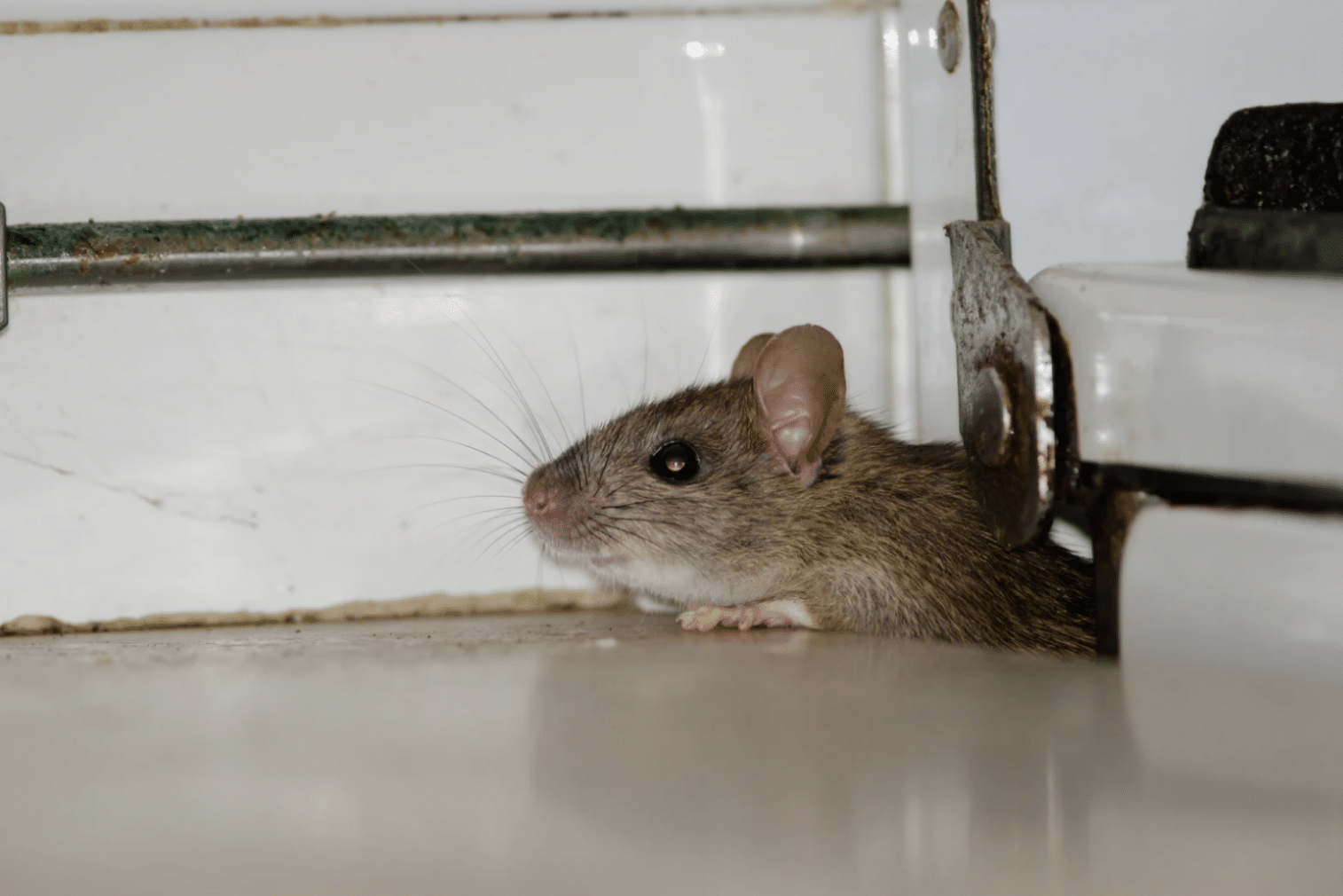
Catching the signs of rodent infestation early can save homeowners thousands of dollars in damage and prevent a small problem from turning into a full-blown colony living inside the walls. Mice and rats are prolific breeders — a single pair of mice can produce dozens of offspring in a year — which means the gap between “I think I heard something” and “I have a serious infestation” can close faster than most people expect. Knowing what to look for, and where, is the best defense.
This guide walks through the warning signs of rodent activity by area of the home, why quick action matters, and what to do once you suspect a problem.
Why Early Detection of Rodent Activity Matters
Rodents cause damage well beyond the obvious “ick factor” of an infestation. Mice and rats gnaw constantly to keep their teeth from overgrowing, and that gnawing frequently targets electrical wiring, which creates a genuine fire hazard inside walls and attics. They also contaminate food storage areas, insulation, and ductwork with droppings and urine, which can carry pathogens linked to hantavirus, salmonella, and other illnesses.
Beyond the health and safety concerns, rodent populations grow fast. What starts as one or two mice finding their way into a basement can become a much larger colony within a matter of months if entry points and food sources aren’t addressed. That’s why catching the signs of mice or rats early — rather than waiting for an obvious, visible problem — makes such a meaningful difference in both cost and complexity of removal.
Signs of Rodent Infestation in the Kitchen and Pantry
Kitchens and food storage areas are often the first place rodent activity becomes noticeable, since they offer both food and, frequently, easy entry points around plumbing and appliances.
- Small, dark droppings (about the size of a grain of rice for mice) near cabinets, pantry shelves, or under the sink
- Gnaw marks on food packaging, cardboard boxes, or plastic containers
- A stale, musky odor, especially in enclosed cabinets or pantry spaces
- Shredded paper, fabric, or insulation gathered into a nest-like pile in a hidden corner
- Grease marks or smudges along baseboards and walls, left behind as rodents repeatedly travel the same paths
Signs of Mice and Rats in the Attic and Walls
Attics and wall voids are prime rodent real estate — dark, quiet, and largely undisturbed.
- Scratching, scurrying, or scampering noises, most noticeable at night when rodents are most active
- Chewed wiring, insulation, or wood framing visible during any attic inspection
- Droppings scattered along joists, beams, or storage boxes
- Grease trails or dark smudge marks along wall studs or insulation, marking frequently used travel routes
- A persistent, unexplained odor coming from within walls, which can sometimes indicate a deceased rodent as well as active nesting
Signs of Rodent Activity in Basements and Crawlspaces
Basements and crawlspaces tend to show some of the clearest evidence of an active infestation, since these areas are often less disturbed by daily household activity.
- Burrow holes near foundation walls or along the perimeter of the crawlspace
- Droppings concentrated near storage boxes, HVAC equipment, or utility areas
- Gnawed insulation on pipes or ductwork
- Visible entry points, such as gaps around utility lines, vents, or foundation cracks
- Nesting material — shredded insulation, fabric, or paper — tucked into corners or behind stored items
Signs of Rodents Outside the Home
Outdoor warning signs often appear before rodents ever make it inside, which makes them valuable for catching a problem before it escalates.
- Burrow openings near foundations, woodpiles, or dense landscaping
- Gnaw marks on outdoor structures, sheds, or the exterior of the home itself
- Rub marks along exterior walls where rodents repeatedly travel the same route
- Pet behavior changes, such as persistent sniffing or scratching at a specific exterior wall or vent
- Trash or compost areas showing signs of disturbance or scattered debris
What to Do If You Notice These Signs
If you’re seeing any combination of these signs of rodent infestation, quick, methodical action matters:
- Document what you’re seeing and where. Identifying which areas show activity helps a professional pinpoint entry points faster.
- Secure food sources. Store pantry items in sealed containers and clean up crumbs and spills promptly.
- Look for and note visible entry points. Gaps around pipes, vents, and foundation cracks are common access routes.
- Avoid relying solely on DIY traps for an established infestation. Traps can help with a single mouse, but an active colony usually requires a broader inspection and exclusion plan to fully resolve.
- Call a professional for inspection and exclusion. A thorough inspection identifies not just current activity but the entry points and conditions that allowed it to start in the first place.
If the situation has already escalated — active nesting, significant damage, or a rodent population that’s clearly established — it helps to understand what a professional response actually involves. Our guide on what to expect from emergency wildlife removal covers the inspection, exclusion, and follow-up process in detail.
Key Takeaways
- Rodents multiply quickly, so catching signs of infestation early significantly reduces cost, damage, and health risk.
- Warning signs vary by location — kitchens, attics, basements, and exterior areas each show different clues.
- Droppings, gnaw marks, nesting material, and unusual pet behavior are among the most reliable indicators of an active problem.
- Gnawed wiring poses a genuine fire risk, making quick action about more than just comfort or cleanliness.
- Professional inspection and exclusion address both current activity and the entry points that allowed it to happen.
Frequently Asked Questions
What are the health risks associated with a rodent infestation? Rodents can carry and transmit pathogens through droppings, urine, and saliva, including hantavirus and salmonella. Contaminated food storage areas and dust from dried droppings in attics or crawlspaces are common exposure points, which is part of why the EPA provides guidance on rodenticides and safe rodent control practices for homeowners.
How can I tell the difference between mouse and rat activity? Mouse droppings are smaller, roughly the size of a grain of rice, while rat droppings are larger, closer to the size of a raisin. Rats also tend to leave larger gnaw marks and burrow openings compared to mice. Both leave similar grease trails and nesting evidence, so the size of the droppings and entry points is usually the clearest distinguishing factor.
How quickly can a rodent problem get worse? Very quickly. Mice can begin reproducing within weeks of finding a stable food and shelter source, and populations can grow substantially within just a few months if left unaddressed. This is one of the main reasons early detection matters so much.
Are DIY traps enough to solve a rodent infestation? Traps can be effective for an isolated mouse or two, but an established infestation typically involves multiple entry points, active nesting sites, and a growing population that DIY methods often can’t fully address. A professional inspection identifies the full scope of the problem rather than just the animals you can see.
When should I call a professional instead of continuing to monitor the situation? If you’re noticing signs across multiple areas of the home, hearing consistent activity at night, or finding droppings and nesting material regularly, it’s time to call a professional rather than wait. The longer an infestation goes unaddressed, the more extensive — and expensive — the damage typically becomes.
If you’re noticing any of these warning signs in your home, don’t wait for the problem to grow. Contact Wildlife Infantry for a free inspection and a clear, honest plan to get rodents out and keep them out.